
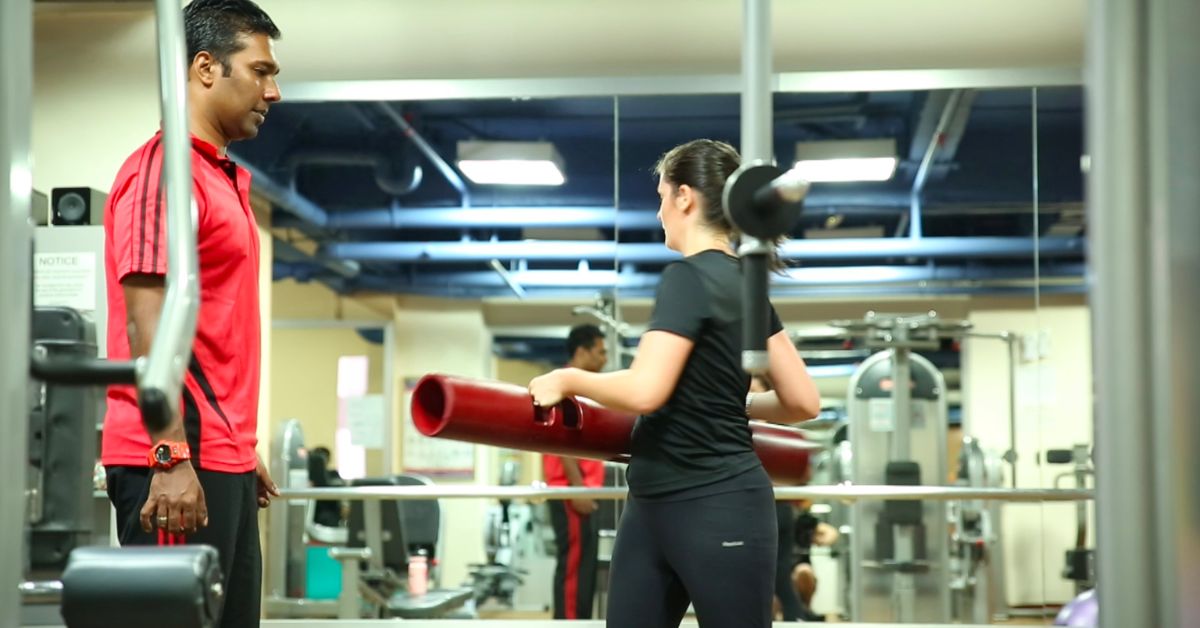
True Fitness SingaporeFinding the right fitness trainer Singapore is one of the most important decisions you can make if you want to transform your health and achieve lasting results. A trainer is not only there to guide you with exercises but also to personalise your workouts, ensure your safety, and keep you motivated when progress feels slow. In Singapore’s fast-paced lifestyle, working with the right professional makes all the difference between short-lived enthusiasm and sustainable success.
Selecting the ideal trainer can feel overwhelming, especially when you see countless advertisements online and hear different recommendations from friends. The truth is, a trainer who works well for someone else may not be the best fit for you. That is why you need a clear process and checklist to evaluate your options properly.
Why Choosing the Right Trainer Matters
Personal training is not a one-size-fits-all service. The trainer you choose will impact not only the quality of your workouts but also your confidence, your risk of injury, and the results you achieve. A good trainer will understand your unique needs, whether you are preparing for a sporting event, trying to lose weight, recovering from an injury, or simply improving your fitness for everyday life.
In Singapore, where gyms are spread across neighbourhoods and fitness has become part of urban culture, the demand for trainers has grown rapidly. As the industry expands, so does the variety of expertise available. That means you must carefully assess who can provide the right guidance for your lifestyle, schedule, and goals.
Step 1: Check Their Credentials and Qualifications
The foundation of a reliable trainer is proper certification. In Singapore, many trainers hold international qualifications such as ACE (American Council on Exercise), NASM (National Academy of Sports Medicine), or ACSM (American College of Sports Medicine). Some also pursue specialist certifications in nutrition, rehabilitation, or strength conditioning.
When evaluating a trainer, ask these questions:
-
Where did you receive your certification?
-
Is the certification recognised internationally?
-
Do you pursue continuing education?
A qualified trainer not only shows technical competence but also demonstrates a commitment to professional standards. Without this, you risk following unscientific routines that may harm rather than help you.
Step 2: Look for Specialisations That Match Your Goals
Not all trainers are the same. Some focus on strength training, others on functional movement, weight loss, or sports performance. There are also trainers who specialise in rehabilitation, postnatal recovery, or senior fitness. Choosing a trainer who has expertise in your specific goals ensures that your workouts are safe and effective.
For example:
-
If you are training for IPPT, you might want a trainer who specialises in endurance and strength conditioning.
-
If you are recovering from a knee injury, a trainer with knowledge in physiotherapy-based training would be more suitable.
-
If your priority is fat loss, choose someone experienced in combining strength training with metabolic conditioning.
Matching your needs with the trainer’s expertise saves time and helps you progress faster.
Step 3: Assess Their Communication and Coaching Style
A trainer’s ability to explain exercises clearly and provide feedback is as important as their technical skills. The right trainer should be able to:
-
Demonstrate exercises safely
-
Correct your posture when needed
-
Adjust the programme when you struggle
-
Provide encouragement without being overly aggressive
Think of the trainer as a partner in your journey. Some people thrive with a coach who pushes them hard, while others need a supportive figure who encourages steady progress. Observe how they interact during your trial session, and decide whether their style motivates you or intimidates you.
Step 4: Ask About Their Experience With Real Clients
While certification is important, real-world experience matters even more. Trainers who have worked with a wide range of clients develop the ability to customise programmes and solve practical challenges. For instance, helping a working professional who spends long hours at a desk requires a different approach compared to training an athlete.
Ask your trainer to share examples of past clients with similar goals. It is not about before-and-after photos alone but about understanding the strategies used. A seasoned trainer will confidently explain how they helped others and what they learned from those experiences.
Step 5: Evaluate Their Training Environment
Where you train can greatly influence your progress. Some trainers operate within large gyms, while others may conduct private sessions at boutique studios, outdoor parks, or even at your home. Consider the following:
-
Is the training space convenient to reach?
-
Does the environment make you feel comfortable?
-
Is the equipment maintained and suitable for your needs?
In Singapore, accessibility is a big factor since many people juggle tight schedules. Choosing a trainer located near your workplace or home makes it easier to stay consistent with your sessions.
Step 6: Clarify Costs and Packages
Hiring a personal trainer is an investment. Prices in Singapore vary widely depending on the trainer’s experience, location, and package type. Some trainers charge per session, while others offer monthly packages that include consultations, programme adjustments, and nutrition guidance.
Before committing, ask about:
-
Session cost
-
Cancellation policy
-
Discounts for long-term packages
-
Additional services (like nutrition planning or online support)
While affordability is important, do not choose based on price alone. A slightly more expensive trainer with better experience may save you time and frustration in the long run.
Step 7: Review Their Ability to Track Progress
One of the hallmarks of a professional trainer is their commitment to tracking your progress. This could include body composition measurements, performance benchmarks, or fitness assessments. Progress tracking not only keeps you motivated but also ensures that the programme is scientifically adjusted as you improve.
Ask the trainer:
-
How often will we review progress?
-
What methods do you use for measurement?
-
How will you adjust the programme based on results?
Without clear tracking, it is difficult to know whether the sessions are working effectively.
Step 8: Consider Personality and Professionalism
Your relationship with your trainer goes beyond workouts. You will spend hours together each week, so personality fit is vital. Trainers who arrive late, use their phone during sessions, or lack focus will waste your time and energy. Professionalism also extends to respecting boundaries, maintaining confidentiality, and focusing on your goals rather than theirs.
A simple way to evaluate this is to see how the trainer behaves during your initial consultation. Do they listen more than they talk? Do they make the conversation about you, not themselves? These small cues reveal whether they are truly invested in your success.
Step 9: Look for Testimonials and Client Feedback
In today’s digital age, many trainers have online reviews or testimonials. While you should not rely solely on marketing material, feedback from other clients can provide insights into reliability, consistency, and overall satisfaction. If possible, speak directly to a past or current client for honest opinions.
Real-life stories from others can help you anticipate what working with that trainer will feel like, from their punctuality to their energy levels and coaching style.
The Role of Fitness Culture in Singapore
Fitness culture in Singapore has grown rapidly over the last decade. More people are investing in structured programmes, and personal training is no longer limited to athletes or celebrities. Everyday professionals, parents, and even retirees now see the value of having someone guide them towards better health.
Institutions like True Fitness Singapore have contributed to this culture by providing professional environments where trainers can work with diverse clients. The rise of boutique studios, corporate wellness programmes, and outdoor training sessions also reflects the evolving demand. This means you now have more options than ever to find a trainer who matches your lifestyle and goals.
Real-Life Checklist for Choosing a Trainer
Here is a simple checklist you can use before making your final decision:
-
Verify certifications and qualifications
-
Match their specialisation to your goals
-
Assess communication and coaching style
-
Review their client experience
-
Consider location and training environment
-
Compare pricing and packages carefully
-
Ensure they track progress consistently
-
Check for professionalism and punctuality
-
Read reviews or speak with past clients
By following this checklist, you ensure that your investment in a trainer is well thought out and brings long-term results.
FAQs About Choosing a Fitness Trainer in Singapore
Q. How many sessions per week should I commit to with a personal trainer?
A. Most beginners start with 2 to 3 sessions per week. This frequency allows your trainer to guide your progress closely without overwhelming you. Once you build confidence and consistency, you may reduce the frequency while continuing on a structured plan.
Q. Should I focus on a trainer’s years of experience or their certifications?
A. Ideally, you want both. Certifications show technical knowledge, while experience reflects real-world problem-solving. If forced to choose, prioritise experience with clients similar to you, as that often predicts how well they can guide you.
Q. What if I do not see results after a few months?
A. Discuss your concerns with your trainer openly. A good trainer will review your progress, adjust your workouts, and examine factors like nutrition, recovery, and stress. If adjustments are not made, it may be a sign to consider another trainer.
Q. Are trial sessions necessary before signing a package?
A. Yes, trial sessions give you a chance to test compatibility. They allow you to evaluate the trainer’s style, professionalism, and ability to personalise workouts. Always try at least one session before committing to a long-term package.
Q. Can personal training help with medical conditions like diabetes or back pain?
A. Absolutely, but only if the trainer has the proper knowledge and experience. Some trainers specialise in medical fitness or rehabilitation. Always disclose your condition upfront so the trainer can design a safe and effective programme.
