
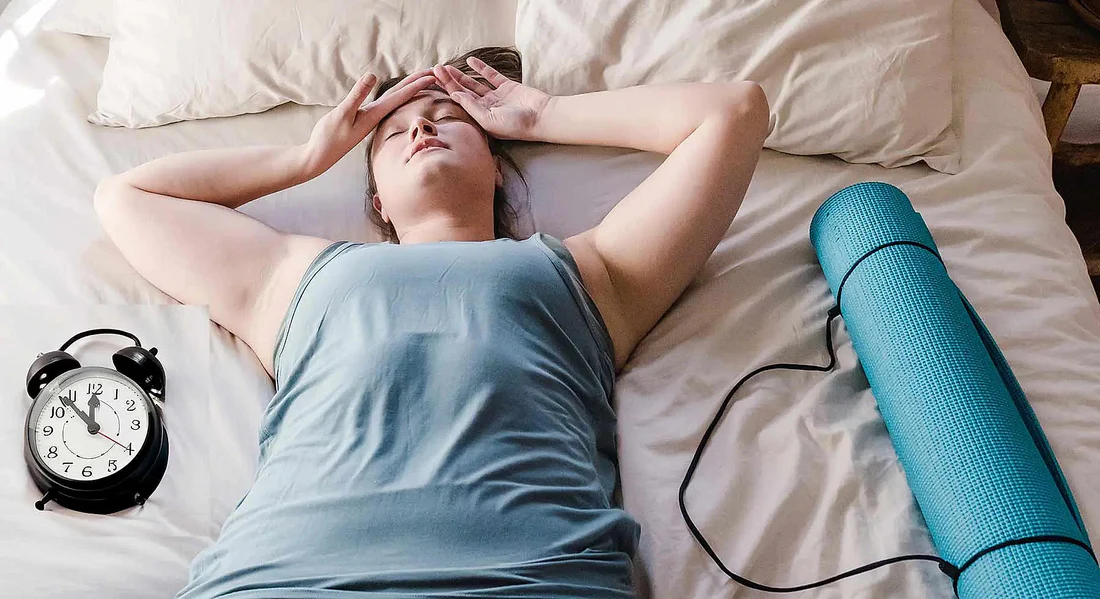
In the fast paced environment of the modern United States, stress and sleep deprivation have become a dual epidemic. As professional and personal demands intensify, many individuals find themselves trapped in a cycle of high cortisol levels and restless nights. However, one of the most potent tools for breaking this cycle is not found in a pharmacy, but rather in physical movement. The relationship between fitness, psychological resilience, and circadian health is backed by extensive physiological research. Engaging in regular physical activity serves as a natural reset button for the nervous system, offering a sustainable path to mental clarity and deep, restorative rest.
The Physiological Mechanics of Stress Reduction
To understand how exercise mitigates stress, it is essential to look at the body’s internal chemistry. When a person encounters a stressful situation, the hypothalamus triggers the release of hormones like cortisol and adrenaline. While this fight or flight response was vital for ancestral survival, chronic activation in the modern world leads to systemic inflammation and mental fatigue.
Physical activity provides a constructive outlet for this pent-up energy. During exercise, the body initially experiences a spike in stress hormones, but this is followed by a significant and prolonged drop once the activity ceases. This process effectively trains the autonomic nervous system to recover more quickly from stressors.
The Role of Endorphins and Neurotransmitters
One of the most immediate benefits of fitness is the production of endorphins. Often referred to as the body’s natural painkillers, endorphins are chemicals produced by the central nervous system to help us cope with physical pain and stress. This chemical release is responsible for the phenomenon known as the runner’s high, a state of euphoria and reduced anxiety that follows intense aerobic activity.
Beyond endorphins, exercise regulates several key neurotransmitters:
-
Serotonin: Often called the feel-good hormone, serotonin helps stabilize mood and provides a sense of well-being.
-
Dopamine: Physical movement triggers dopamine release, which is associated with the brain’s reward system, helping to combat feelings of depression and lethargy.
-
Norepinephrine: This chemical helps the brain respond to stress more efficiently, improving cognitive function during high-pressure situations.
Exercise as a Tool for Mental Resilience
While the chemical changes are profound, the psychological impact of fitness is equally important. Consistent exercise fosters a sense of agency and self-efficacy. When an individual sets a fitness goal—whether it is running a mile or lifting a specific weight—and achieves it, the brain registers this as a victory. This confidence often spills over into other areas of life, making daily stressors seem more manageable.
Furthermore, fitness serves as a form of moving meditation. Whether practicing yoga, swimming laps, or cycling, the repetitive nature of these movements encourages a flow state. In this state, the mind is focused entirely on the present moment and the physical sensations of the body, providing a much-needed break from the ruminating thoughts that characterize chronic stress.
Improving Sleep Quality Through Physical Activity
The connection between fitness and sleep is a bidirectional relationship. Physical exertion increases the demand for recovery, which signals the brain that it is time for deep sleep. According to the National Sleep Foundation, even moderate aerobic exercise can significantly increase the amount of slow-wave sleep a person gets. Slow-wave sleep refers to deep sleep, where the brain and body have a chance to recover from the day’s toll.
Regulating the Circadian Rhythm
The human body operates on a 24-hour internal clock known as the circadian rhythm. This rhythm is influenced by external cues, primarily light and physical activity. Engaging in exercise, especially when done outdoors or in bright environments, helps reinforce the body’s natural wake-sleep cycle.
Regular physical activity helps the body transition from a state of alertness to a state of restfulness. By expending energy during the day, the homeostatic sleep drive—the internal drive to sleep that builds up while we are awake—is strengthened. This ensures that when the head hits the pillow, the transition into sleep is faster and the likelihood of waking up during the night is diminished.
Temperature Regulation and Sleep Initiation
A fascinating physiological aspect of exercise is its effect on core body temperature. During a workout, the body temperature rises significantly. Once the exercise is finished, the body begins a cooling process to return to its baseline. This drop in core temperature mimics the natural cooling that occurs before sleep, signaling to the brain that it is time to wind down. This is why many experts suggest exercising at least a few hours before bed to allow the cooling phase to trigger drowsiness effectively.
Types of Fitness and Their Specific Benefits
Not all exercise impacts the body in the same way. A well-rounded fitness routine that incorporates various modalities offers the best defense against stress and sleep issues.
-
Aerobic Exercise: Activities like running, swimming, and brisk walking are excellent for cardiovascular health and endorphin release. They are particularly effective at reducing overall anxiety levels.
-
Strength Training: Lifting weights or performing bodyweight exercises improves metabolic health and has been shown to reduce symptoms of clinical depression and chronic worry.
-
Mind-Body Practices: Yoga and Tai Chi combine physical movement with deep breathing and mindfulness. These practices are specifically designed to lower the heart rate and calm the nervous system, making them ideal for evening routines.
-
High-Intensity Interval Training (HIIT): While intense, these short bursts of activity are highly efficient at burning cortisol and improving physical stamina, though they should be avoided too close to bedtime.
Overcoming Barriers to a Consistent Routine
The paradox of fitness is that when people are most stressed and tired, they feel they have the least amount of energy to exercise. However, movement is an investment that yields energy. To build a sustainable habit, it is crucial to start small. A ten-minute walk is better than no movement at all. Consistency is more important than intensity when the goal is mental health and sleep regulation.
It is also important to choose activities that are genuinely enjoyable. If an individual dreads their workout, the activity itself becomes a source of stress rather than a relief. Finding a community, such as a local running club or a fitness class, can also provide the social support necessary to stay committed during difficult times.
Strategies for Integrating Fitness into a Busy Schedule
-
Prioritize Morning Movement: Exercising early in the day helps set a positive tone and ensures the workout is completed before daily distractions arise.
-
Utilize Active Commuting: Walking or biking to work integrates physical activity into a mandatory part of the day.
-
Break It Up: If a solid hour of exercise is not possible, three ten-minute sessions throughout the day provide similar cumulative health benefits.
-
Set Realistic Goals: Focus on how the body feels rather than just aesthetic changes to maintain long-term motivation.
Frequently Asked Questions
How soon before bed should I stop vigorous exercise to avoid keeping myself awake?
Generally, it is recommended to finish high-intensity workouts at least two to three hours before you plan to sleep. This timeframe allows your core body temperature to drop and your heart rate to return to a resting state, which are necessary signals for the brain to initiate sleep.
Can overtraining actually increase my stress levels instead of reducing them?
Yes, overtraining can lead to a condition where the body remains in a permanent state of high cortisol. Without adequate rest and recovery days, the physical strain becomes a chronic stressor, which can lead to irritability, burnout, and insomnia. Balance is key to reaping the mental health benefits of fitness.
Is it better to exercise in the morning or the evening for stress management?
Both have benefits. Morning exercise can help reduce anxiety throughout the day and improve focus. Evening exercise, provided it is not too intense, can help decompress from the work day. The best time is whichever allows you to be most consistent with your routine.
Does stretching or flexibility training have any impact on sleep quality?
Absolutely. Stretching, particularly when combined with deep breathing, activates the parasympathetic nervous system, which is responsible for the rest and digest response. This can help lower blood pressure and relax muscles that have become tense from sitting or stress during the day.
I have a sedentary desk job. Will small bouts of movement help my sleep?
Yes. Studies show that breaking up long periods of sitting with short walks or standing intervals can improve glucose metabolism and reduce the physical lethargy that often interferes with a healthy sleep-wake cycle. Even minor increases in daily step counts are linked to better rest.
Does the environment where I exercise affect the stress-reduction benefits?
Exercising in nature, often called green exercise, has been shown to provide a greater reduction in cortisol levels compared to exercising indoors. The combination of fresh air, natural light, and physical movement provides a multi-sensory approach to lowering stress.
If I am extremely sleep-deprived, should I skip my workout to sleep longer?
If you have had less than six hours of sleep and feel physically exhausted, a low-intensity activity like a gentle walk or yoga is better than a strenuous workout. Pushing too hard when severely sleep-deprived can increase the risk of injury and further stress the body. Listen to your body’s cues for recovery.
