
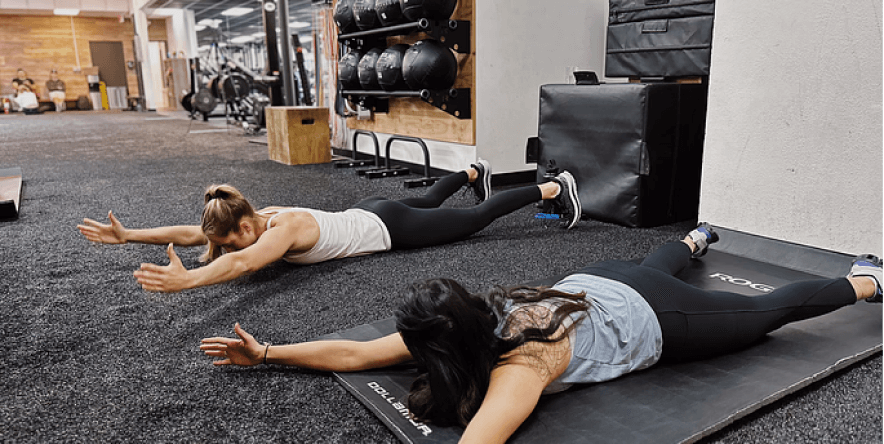
The pursuit of physical fitness is often framed as a race toward a specific aesthetic goal or a number on a scale. However, the most successful exercise programs are not those that produce rapid, fleeting results, but those that foster long-term health, functional mobility, and mental well-being. A truly healthy exercise plan prioritizes sustainability over intensity, ensuring that the body remains resilient and capable throughout the various stages of life.
To achieve lasting wellness, an individual must move beyond the “no pain, no gain” mentality and embrace a balanced approach. This involves integrating various forms of movement, allowing for adequate recovery, and aligning physical activity with personal lifestyle needs. When exercise becomes a permanent pillar of one’s daily routine rather than a temporary chore, the benefits extend far beyond muscle tone, impacting cardiovascular health, cognitive function, and emotional stability.
The Pillars of a Balanced Fitness Routine
A comprehensive exercise plan should never be one-dimensional. Relying solely on one type of movement can lead to overuse injuries and plateaus in progress. Instead, a well-rounded strategy incorporates four primary pillars: cardiovascular conditioning, resistance training, flexibility, and functional movement.
Cardiovascular Health and Aerobic Capacity
Cardiovascular exercise, or “cardio,” is the foundation of heart health. Engaging in activities that elevate the heart rate strengthens the cardiac muscle, improves lung efficiency, and enhances the body’s ability to transport oxygen. For long-term wellness, it is helpful to mix different intensities.
-
Low-Intensity Steady State (LISS): Activities like walking, light cycling, or swimming at a moderate pace for longer durations. This builds an aerobic base and is easy on the joints.
-
High-Intensity Interval Training (HIIT): Short bursts of intense effort followed by brief recovery periods. This improves metabolic flexibility and cardiovascular power, though it should be used sparingly to avoid burnout.
Resistance Training and Bone Density
Strength training is often misunderstood as being only for those looking to build bulk. In reality, resistance training is critical for metabolic health and skeletal integrity. As we age, we naturally lose muscle mass and bone density; lifting weights or using bodyweight resistance counteracts this decline.
-
Compound Movements: Focusing on exercises like squats, deadlifts, and presses engages multiple muscle groups, providing the most “bang for your buck” in terms of functional strength.
-
Metabolic Boost: Muscle tissue is more metabolically active than fat, meaning a stronger body burns more energy even at rest, aiding in long-term weight management.
The Role of Mobility and Recovery
The most common reason people stop exercising is injury. A plan that ignores the “quiet” aspects of fitness—stretching and rest—is destined to fail. Longevity in fitness requires a body that can move through its full range of motion without pain.
Flexibility and Joint Health
Incorporating dynamic stretching before workouts and static stretching afterward helps maintain the elasticity of tendons and ligaments. Practices such as yoga or pilates are excellent for developing “active mobility,” which is the ability to control a joint through its entire movement arc. This prevents the stiffness that often leads to falls or strains in later years.
The Science of Rest
Progress does not actually happen during the workout; it happens during the recovery period. When you exercise, you create microscopic tears in the muscle fibers. It is during sleep and rest days that the body repairs this tissue, making it stronger than before. A sustainable plan includes at least one to two full rest days per week and prioritizes seven to nine hours of quality sleep. Overtraining leads to elevated cortisol levels, which can cause systemic inflammation and stall fitness progress.
Designing a Plan for Different Life Stages
A healthy exercise plan must be adaptive. What works for a twenty-year-old athlete will likely be inappropriate for a sixty-year-old looking to maintain independence.
The Early Years: Building the Foundation
In your 20s and 30s, the focus is often on building maximum strength, bone density, and peak cardiovascular output. This is the time to experiment with different sports and high-impact activities, as the body’s recovery capacity is at its peak. Establishing a consistent habit during these decades sets the “set point” for health later in life.
Mid-Life: Maintenance and Mitigation
During the 40s and 50s, the focus shifts slightly toward maintaining muscle mass and protecting the joints. Hormonal changes during this period can affect energy levels and body composition. Transitioning to a mix of heavy resistance training (to maintain bone health) and lower-impact cardio (like rowing or swimming) can help mitigate the natural slowing of the metabolism.
The Golden Years: Mobility and Balance
For seniors, the primary goal of an exercise plan is functional independence. Exercises that improve balance are vital for fall prevention. Strength training remains important, but the emphasis shifts toward “functional” movements—those that mimic daily activities like sitting down in a chair, reaching for items on a high shelf, or carrying groceries.
The Psychological Component of Long-Term Fitness
Motivation is a finite resource. Those who rely solely on willpower to exercise often find themselves quitting when life becomes stressful. To make a fitness plan last for decades, one must cultivate “intrinsic motivation.”
Finding Joy in Movement
If you hate running, do not make running your primary form of cardio. A sustainable plan is built on activities you genuinely enjoy. Whether it is dancing, hiking, rock climbing, or team sports, the enjoyment factor ensures that you show up even on days when your discipline is low.
The Power of Incremental Progress
Focusing on “non-scale victories” is essential for mental wellness. Instead of obsessing over body weight, track progress through performance goals. Can you walk a mile faster than last month? Can you lift a heavier kettlebell? Can you touch your toes more easily? Celebrating these small wins creates a positive feedback loop in the brain, reinforcing the habit of exercise.
Nutrition as the Fuel for Fitness
An exercise plan cannot be viewed in isolation from nutrition. For fitness to be “healthy,” the body must be fueled with the correct macronutrients and micronutrients to support activity levels.
-
Protein: Essential for muscle repair and immune function.
-
Carbohydrates: The primary fuel source for high-intensity activity and brain function.
-
Healthy Fats: Vital for hormone production and joint lubrication.
-
Hydration: Water is the medium for almost all metabolic processes. Dehydration leads to decreased performance, increased perceived effort, and slower recovery.
Frequently Asked Questions
How can I tell if I am pushing myself too hard or not enough during a workout?
The most reliable way to gauge intensity is the “Talk Test.” During moderate-intensity exercise, you should be able to speak in short sentences but not sing. If you can only gasp a few words at a time, you are in a high-intensity zone. Conversely, if you can carry on a full conversation without any breathlessness, you may need to increase the resistance or pace to see significant cardiovascular benefits.
Is it better to do cardio or weights first when I have limited time?
The answer depends entirely on your primary goal. If you are training for a race, do your cardio first while your energy stores are full. If your goal is to build strength or improve metabolism, prioritize weightlifting first. Lifting weights while fatigued from cardio can lead to poor form and potential injury.
How does my daily step count factor into a formal exercise plan?
Formal exercise is only one part of the equation. Non-Exercise Activity Thermogenesis (NEAT) refers to the energy expended during everything we do that is not sleeping, eating, or sports-like exercise. Maintaining a high daily step count (aiming for 7,000 to 10,000 steps) provides a baseline of movement that supports metabolic health and aids in recovery by keeping the blood flowing through the muscles without adding significant stress.
What should I do if I miss a week of my exercise plan due to illness or travel?
Avoid the “all or nothing” trap. One week of inactivity will not erase months of progress. The key is to return to your routine gradually. Do not try to make up for lost time by doubling your workout intensity, as this increases injury risk. Simply resume your plan at about 70 percent of your previous intensity and work back up over the course of a few days.
Can I achieve long-term fitness using only bodyweight exercises at home?
Yes. Resistance is resistance, regardless of whether it comes from a metal dumbbell or your own body mass. Exercises like push-ups, lunges, planks, and pull-ups can build significant strength. The key is to apply “progressive overload,” which means making the exercises harder over time by increasing repetitions, slowing down the movement, or decreasing the rest time between sets.
How does alcohol consumption impact a long-term fitness and wellness plan?
Alcohol can significantly hinder fitness progress by disrupting sleep quality, which is when the body undergoes repair. It also inhibits protein synthesis, the process by which muscles grow and recover. While occasional moderate consumption may fit into a balanced lifestyle, frequent intake can lead to dehydration and empty calorie consumption that complicates weight management and energy levels.
How often should I change my exercise routine to avoid a plateau?
You do not need to change your entire routine every week. In fact, “muscle confusion” is largely a myth. It is better to stick to a core group of effective exercises for 8 to 12 weeks to allow for measurable progress. You can avoid plateaus by changing small variables, such as the number of reps, the weight used, or the tempo of the movement, rather than discarding the entire program.
