
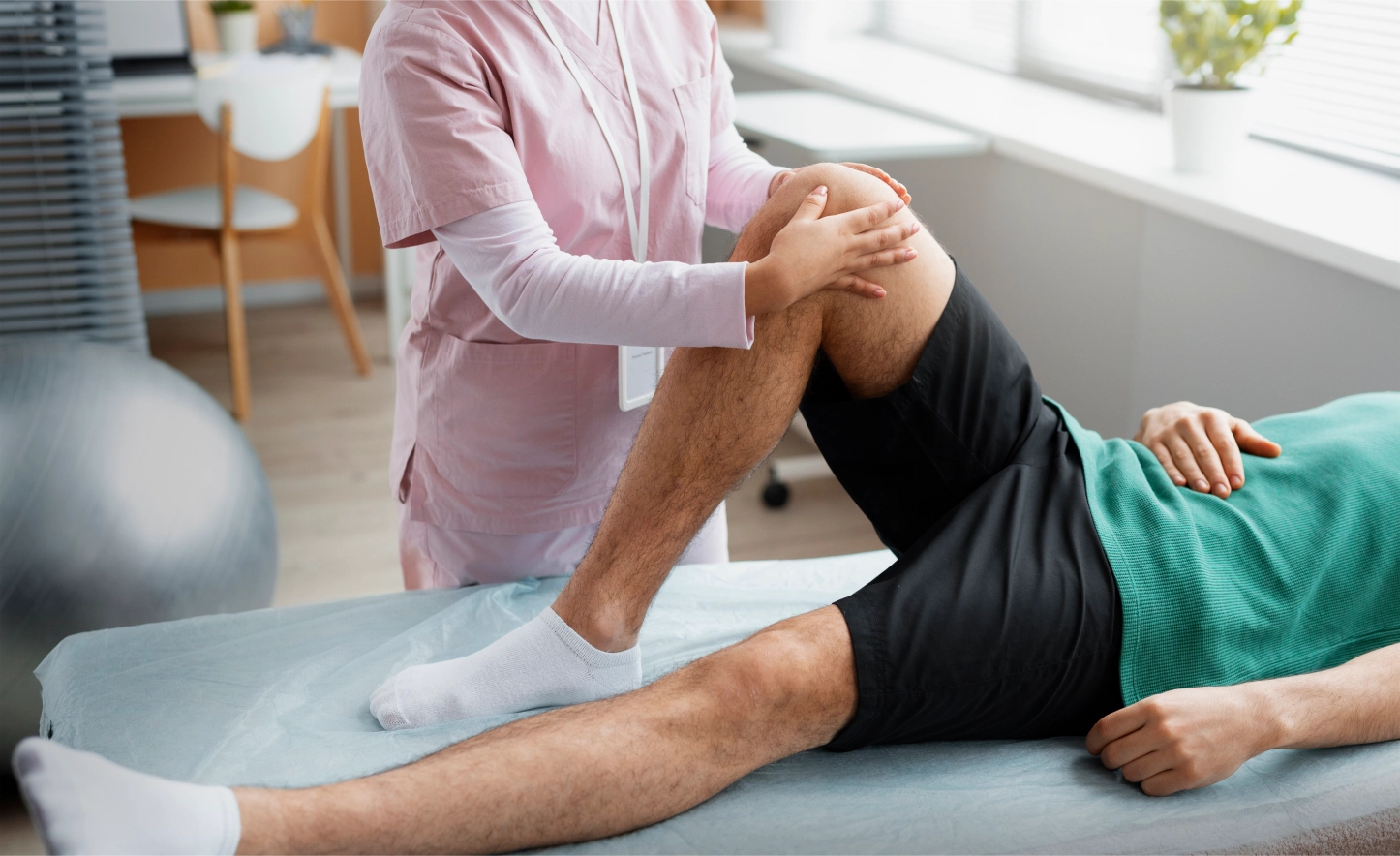
Getting injured is a universal human experience. Whether it is a sprained ankle from a misstep on the stairs, a shoulder strain from an awkward lift, a knee injury from a sport, or the slow accumulation of repetitive stress at work — injury is something almost everyone will navigate at some point in their lives. And yet, despite how common injury is, most people recover from it incorrectly — and end up either prolonging their recovery, developing chronic pain, or re-injuring themselves.
The good news is that the mistakes people make are consistent and well-understood. Knowing what they are — and what to do instead — can make a profound difference in how quickly and completely you recover.
Mistake One: Treating Rest as the Only Medicine
The old RICE protocol — Rest, Ice, Compression, Elevation — has been deeply embedded in popular understanding of injury management. And while these elements have their place in the immediate aftermath of acute injury, the emphasis on rest has been significantly revised by modern sports medicine.
Extended rest is now understood to delay healing rather than accelerate it. After the initial inflammatory phase — which serves an important biological purpose and should not be aggressively suppressed — early, graduated movement promotes healing by increasing blood flow to the injured tissue, preventing scar tissue from forming in disorganized patterns, and maintaining neuromuscular coordination. The updated acronym PEACE and LOVE (Protect, Elevate, Avoid anti-inflammatory modalities, Compress, Educate — and Load, Optimism, Vascularization, Exercise) better reflects current evidence.
Mistake Two: Relying on Ice and Anti-Inflammatories to Suppress Inflammation
Inflammation has a bad reputation, but it is an essential part of the healing process. When you injure tissue, the inflammatory response brings immune cells to the area, clears damaged tissue, and initiates repair. Aggressively suppressing this response with anti-inflammatory medications and ice may actually impair healing in the early stages, particularly when used beyond the first 24 to 48 hours.
This does not mean pain management is wrong — uncontrolled pain is also counterproductive, as it inhibits movement and disrupts sleep. It means that the goal should be managing pain while allowing the biological healing process to proceed, not eliminating all inflammation as quickly as possible.
Mistake Three: Returning to Activity Too Soon or Too Late
Both premature and delayed return to activity cause problems. Return too soon — before adequate tissue healing has occurred and before movement patterns have been restored — and you risk re-injury, often to a greater degree than the original. Return too late — after prolonged rest has led to deconditioning, stiffness, and learned movement avoidance — and you face a longer, harder rehabilitation.
Finding the right timing and progression for return to activity is genuinely complex and highly individual. It depends on the nature and severity of the injury, the specific activities you are returning to, your baseline fitness, and how well your rehabilitation has progressed. This is not something most people can reliably self-assess.
Mistake Four: Skipping Professional Rehabilitation
This may be the most consequential mistake. Many people treat minor to moderate injuries at home — rest, ice, some over-the-counter pain relief — and consider themselves recovered when the pain subsides. But pain subsiding does not necessarily mean the injury is fully healed. Underlying weaknesses, movement dysfunctions, and biomechanical compensations can persist long after pain is gone, setting the stage for recurrence or chronic pain.
A qualified physical therapist near me can assess not just the injury itself but the movement patterns, muscle imbalances, and biomechanical factors that may have contributed to it — and address all of these systematically in rehabilitation. This comprehensive approach is what separates true recovery from temporary pain relief.
What Good Rehabilitation Looks Like
Effective injury rehabilitation typically progresses through several stages. The initial phase focuses on reducing pain and swelling while maintaining as much movement as safely possible. The next phase rebuilds the range of motion, strength, and neuromuscular control in the injured area. The final phase integrates those gains back into the specific movements and activities of daily life, work, or sport.
Throughout this process, a physical therapist monitors your response to treatment, adjusts the program based on how you are progressing, educates you about your injury and how to avoid recurrence, and helps you build the physical and psychological confidence needed for full return to function.
The Psychological Dimension of Recovery
One aspect of injury recovery that is often overlooked is the psychological component. Fear of re-injury is extremely common and can be a major barrier to full recovery. Patients who are afraid of movement tend to protect the injured area long after protection is no longer needed, developing compensatory movement patterns that cause new problems.
Kinesiophobia — fear of movement — is a documented predictor of poor recovery outcomes. Addressing it directly, through education, graded exposure, and building successful movement experiences, is a core part of skilled rehabilitation. Your physical therapist is not just treating your tissue — they are treating your confidence and your relationship with movement.
Recovering from injury the right way takes more time and attention than simply waiting for pain to go away. But the investment pays enormous dividends — in durability, function, and the prevention of future problems.
