
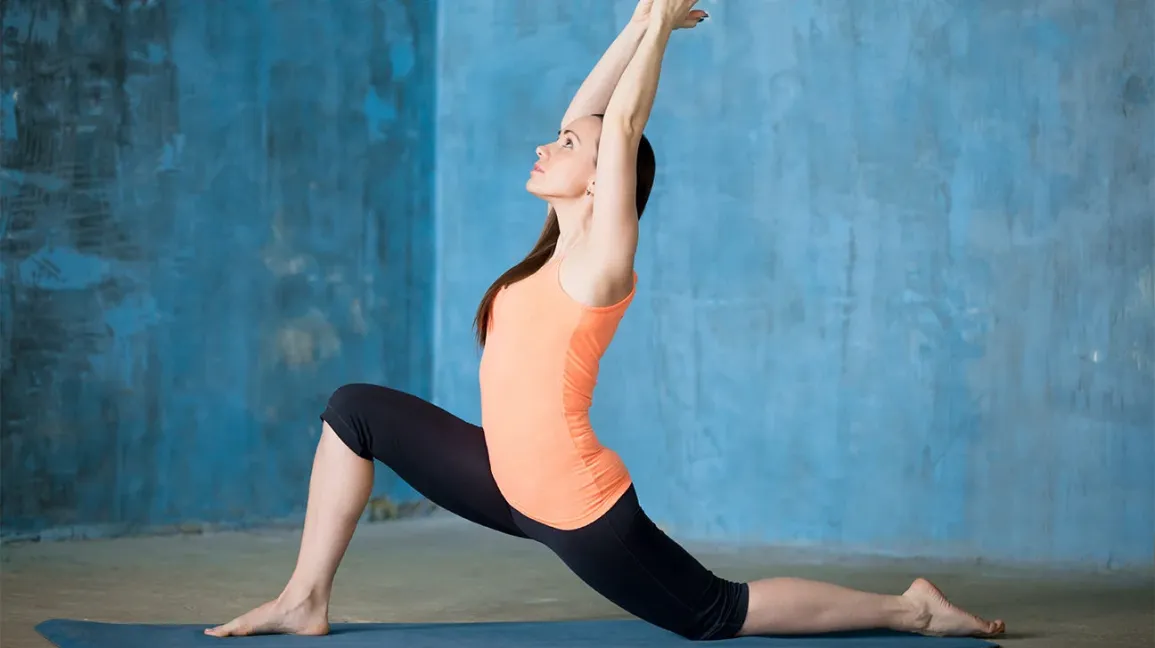
In the modern United States, the physical toll of sedentary desk work and high-stress lifestyles has led to a widespread increase in chronic muscle stiffness and reduced range of motion. Many individuals find themselves struggling with tight hamstrings, rounded shoulders, and persistent lower back pain. While stretching is often viewed as a simple physical task, the ancient practice of yoga offers a more comprehensive approach to body mechanics. By integrating breathwork, intentional movement, and static holds, yoga serves as a natural and highly effective method for enhancing flexibility and releasing deep-seated muscular tension. This practice does not merely pull on muscle fibers; it retrains the nervous system to allow the body to open up safely and sustainably.
The Science of Stretching and the Nervous System
To understand how yoga improves flexibility, one must first understand the biological mechanisms that govern muscle length. Muscles are protected by a physiological reflex known as the stretch reflex. When a muscle is stretched too quickly or too far, sensory receptors called muscle spindles send a signal to the spinal cord, causing the muscle to contract to prevent a tear. This is why forceful, bouncing movements often result in more tightness rather than less.
Yoga overcomes this barrier through the use of the Golgi Tendon Organ (GTO). The GTO is a sensory receptor located where the muscle fibers join the tendon. When a yoga pose is held for an extended period—typically thirty seconds or longer—the GTO senses the tension and eventually overrides the stretch reflex, signaling the muscle to relax. This process, known as autogenic inhibition, allows the muscle to lengthen safely. By practicing yoga regularly, you are essentially teaching your nervous system to increase its tolerance for stretching, leading to long-term gains in flexibility.
Dissolving Muscle Tension Through Conscious Relaxation
Muscle tension is often the result of the body being stuck in a sympathetic nervous system state, commonly known as the fight or flight response. When we are stressed, our muscles subconsciously contract in preparation for action. Over time, this results in what many describe as knots or trigger points. Yoga addresses this by activating the parasympathetic nervous system, or the rest and digest state.
The deep, diaphragmatic breathing practiced in yoga sends an immediate signal to the brain that the body is safe. As the heart rate slows and cortisol levels drop, the unconscious bracing in the muscles begins to dissolve. Unlike traditional gym workouts that often involve repetitive, shortening contractions of the muscles, yoga emphasizes eccentric loading—strengthening the muscle while it is in a lengthened state. This creates a functional type of flexibility where the body is not just loose, but also stable and supported.
Key Categories of Yoga Poses for Flexibility
Different styles and postures within yoga target various types of tension. A well-rounded practice addresses the body in all planes of motion, ensuring that no muscle group is left neglected.
-
Forward Folds: Poses like Padangusthasana (Big Toe Pose) or Paschimottanasana (Seated Forward Bend) target the entire posterior chain, including the calves, hamstrings, and erector spinae muscles of the back. These are essential for counteracting the tightness caused by prolonged sitting.
-
Hip Openers: The hips are a primary storage site for tension. Poses such as Eka Pada Rajakapotasana (Pigeon Pose) or Agnistambhasana (Fire Log Pose) target the hip flexors and rotators. Opening the hips can alleviate pressure on the lower back and improve the gait.
-
Twists: Seated or reclining twists help to mobilize the spine and stretch the small muscles between the ribs and vertebrae. This improves rotational flexibility and can aid in respiratory function by opening the chest.
-
Inversions: Even mild inversions like Viparita Karani (Legs-Up-The-Wall) encourage lymphatic drainage and change the pull of gravity on the muscles, allowing for a unique form of tension release in the lower extremities.
The Role of Fascia in Body Mobility
While much of the focus in fitness is on muscle, yoga also significantly impacts the fascia. Fascia is a web of connective tissue that surrounds every muscle, bone, and organ in the body. When we are inactive or dehydrated, fascia can become sticky and restricted, creating a feeling of being bound up.
Yoga involves multi-directional movements that slide and glide the layers of fascia against one another. Yin Yoga, in particular, involves holding passive poses for several minutes at a time. This long-duration, low-load tension targets the connective tissues rather than the muscles. This helps to hydrate the fascia and break down adhesions, which is vital for maintaining mobility as the body ages. By keeping the fascial network supple, yoga ensures that the muscles can move freely without being restricted by their protective casing.
Psychological Benefits and the Mind-Body Connection
Physical tightness is frequently a manifestation of psychological stress. Many people carry their worries in their neck and shoulders. Yoga encourages a state of mindfulness that allows practitioners to identify where they are holding tension. During a session, a practitioner is often prompted to scan their body and consciously release areas of unnecessary effort, such as a clenched jaw or furrowed brow.
This mind-body connection creates a feedback loop. As the body becomes more flexible, the mind often follows suit, becoming more resilient and less reactive to daily stressors. This holistic approach is why many find yoga to be more effective for tension relief than simple stretching routines. It addresses the root cause of the tension—the mental state—while simultaneously working on the physical symptoms.
Consistency and Safety in Practice
The journey toward improved flexibility is a marathon, not a sprint. Forcing the body into advanced poses before it is ready can lead to ligament strain or joint instability. The use of props, such as blocks, straps, and bolsters, is highly encouraged in American yoga studios to make the practice accessible to all body types. Props allow a person to maintain proper alignment and experience the benefits of a pose without overstretching.
Consistency is the most important factor in seeing results. Even fifteen minutes of daily practice is generally more effective than a single ninety-minute class once a week. Over time, the cumulative effect of daily movement leads to a permanent shift in the body’s baseline flexibility. This improved range of motion translates into better performance in other sports, a lower risk of injury in daily life, and a general sense of physical lightness.
Frequently Asked Questions
Can yoga help if I am naturally very stiff and can’t even touch my toes?
Yes, yoga is actually most beneficial for those who are naturally stiff. You do not need to be flexible to start yoga; you practice yoga to become flexible. Using modifications and props allows you to reach the intended stretch regardless of your current range of motion. Over time, those with the most stiffness often see the most dramatic improvements.
How does heat, such as in Hot Yoga, affect flexibility and tension?
Heat allows the muscles to warm up more quickly and increases blood flow to the tissues, which can make the body feel more pliable. This can help in achieving a deeper stretch. However, it is important to be cautious not to push beyond your natural limits, as the heat can sometimes mask the body’s signals of overstretching.
Will yoga help reduce the tension headaches I get from working at a computer?
Many tension headaches are caused by tightness in the upper trapezius, neck, and suboccipital muscles. Yoga poses that focus on neck release and shoulder alignment can help alleviate the structural strain that leads to these headaches. Additionally, the stress-reduction aspect of yoga helps lower the overall frequency of tension-related pain.
Is it normal to feel sore after a yoga session focused on flexibility?
It is common to experience mild delayed onset muscle soreness (DOMS), especially after a session involving deep hip openers or intense hamstring work. This is usually a sign that the muscles have been worked in a new way. However, sharp or localized pain is a signal to back off and consult an instructor.
How long does it take to see a noticeable difference in my flexibility?
Most people notice a decrease in muscle tension and an improved sense of well-being after just one class. Significant, lasting changes in muscle length and joint mobility typically take about four to eight weeks of consistent practice, occurring two to three times per week.
Does yoga help with the stiffness associated with arthritis?
For many, gentle yoga can improve joint lubrication and reduce the stiffness associated with various forms of arthritis. By moving the joints through their full range of motion without high impact, yoga helps maintain functionality. It is always recommended to speak with a healthcare provider before starting yoga for a specific medical condition.
Can I gain too much flexibility from yoga?
While rare for the average person, it is possible to overstretch ligaments, which do not have the same elastic properties as muscles. A balanced yoga practice focuses on both flexibility and strength. Developing the muscles around a joint provides the stability necessary to prevent hypermobility and potential injury.
