
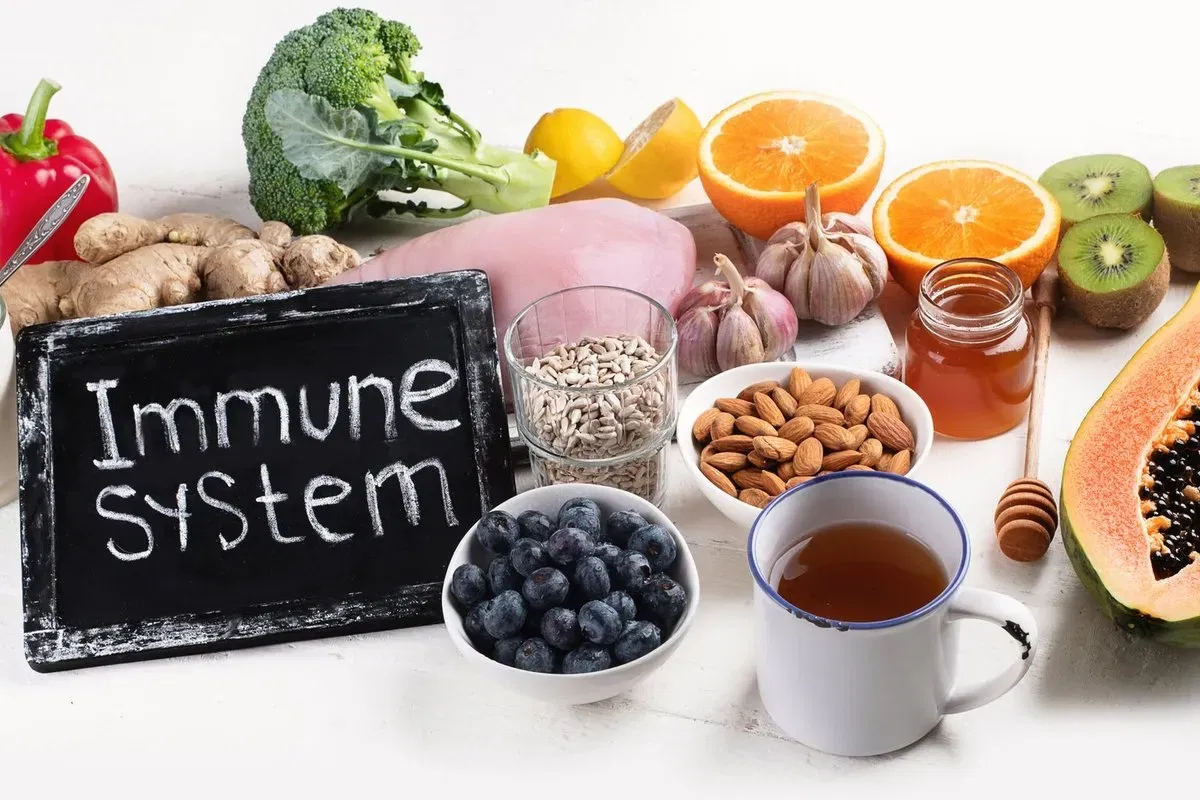
The human body is an incredibly complex biological machine that requires a precise balance of nutrients to operate at peak performance. In the United States, the convenience of processed foods has often overshadowed the fundamental necessity of whole-food nutrition. However, the fuel we choose to ingest does far more than simply provide energy for daily tasks. It serves as the raw material for cellular repair, hormonal balance, and, most critically, the defense mechanisms of the immune system. Understanding the profound connection between dietary choices and physiological resilience is the first step toward building a body that can withstand environmental stressors and biological threats.
The Foundation of the Immune System
The immune system is not a single organ but a vast network of cells, tissues, and organs that work in unison to protect the body. A significant portion of this system—roughly 70 percent—is located in the gut. This makes the digestive tract the primary interface between the external world and our internal health. When we consume nutrient-dense foods, we are essentially providing the building blocks for white blood cells, antibodies, and other protective components.
Conversely, a diet high in refined sugars and trans fats can trigger systemic inflammation. Chronic inflammation acts as a constant drain on the immune system, leaving it distracted and exhausted when a real threat, such as a virus or bacteria, enters the system. By choosing anti-inflammatory foods, we allow the immune system to remain vigilant and responsive.
Essential Micronutrients for Defense
To maintain a robust defense, the body requires specific vitamins and minerals that act as catalysts for immune functions. While a balanced diet is the best source, understanding the specific roles of these micronutrients helps in making informed grocery choices.
-
Vitamin C: This is perhaps the most famous immune booster. It encourages the production of white blood cells known as lymphocytes and phagocytes, which help protect the body against infection. Citrus fruits, bell peppers, and strawberries are excellent sources.
-
Vitamin D: Often referred to as the sunshine vitamin, it plays a critical role in activating the immune system’s T-cells. Without sufficient Vitamin D, these cells remain dormant and unable to fight off invaders. Sources include fortified dairy, fatty fish, and egg yolks.
-
Zinc: This mineral is essential for immune cell development and communication. It also plays a role in inflammatory response. Zinc can be found in abundance in oysters, red meat, poultry, beans, and nuts.
-
Vitamin E: As a powerful antioxidant, Vitamin E helps the body fight off infections by protecting cell membranes from oxidative stress. Almonds, sunflower seeds, and spinach are nutrient-dense options.
The Gut Microbiome and Body Function
The gut microbiome consists of trillions of bacteria that live in the digestive tract. These microorganisms are vital for breaking down fibers, synthesizing vitamins, and training the immune system to distinguish between friendly and harmful invaders. A diverse microbiome is a hallmark of a healthy body.
Healthy food choices that include probiotics and prebiotics are essential for maintaining this balance. Probiotics are live beneficial bacteria found in fermented foods like yogurt, kefir, sauerkraut, and kimchi. Prebiotics are types of fiber that act as food for these beneficial bacteria, found in garlic, onions, leeks, and bananas. When the gut is balanced, systemic body functions—including metabolism and mood regulation—operate much more smoothly.
Macronutrients and Structural Integrity
While micronutrients handle the finer details of defense, macronutrients provide the structural foundation for the body. Protein, in particular, is vital for immunity because antibodies and immune system cells are made of protein.
Consuming high-quality lean proteins such as poultry, fish, tofu, and legumes ensures that the body has the amino acids necessary for tissue repair. Healthy fats, such as those found in avocados, olive oil, and walnuts, are necessary for the absorption of fat-soluble vitamins (A, D, E, and K) and for maintaining the integrity of cell walls throughout the body. Carbohydrates should ideally come from complex sources like whole grains and sweet potatoes, which provide a steady release of energy without causing the inflammatory spikes associated with refined flours.
The Impact of Hydration on Systemic Health
Water is often the most overlooked nutrient in the context of immunity and body function. Every system in the human body relies on water to function. From a defense standpoint, hydration is necessary for the production of lymph, a fluid that carries white blood cells and other immune system cells throughout the body.
Furthermore, adequate hydration ensures that the mucous membranes in the nose and throat remain moist, acting as a physical barrier against pathogens. Water also aids in the detoxification process, helping the kidneys and liver flush out waste products that could otherwise build up and impair physical performance.
Reducing the Toxic Load
Support for the body does not only involve what we add but also what we choose to limit. The modern American diet is often heavy in additives, preservatives, and artificial sweeteners. These substances can stress the liver and kidneys, forcing the body to divert energy away from immune surveillance toward detoxification.
By prioritizing whole, unprocessed foods, you reduce this toxic load. Choosing organic options when possible can also limit exposure to pesticides that have been linked to endocrine disruption. A cleaner diet translates to a more efficient body that can focus its resources on growth, repair, and protection.
Long-Term Benefits of Nutrient-Dense Living
The shift toward healthy food choices is not a temporary fix but a long-term investment in biological longevity. Over time, a diet rich in antioxidants and phytonutrients reduces oxidative stress, which is a primary driver of aging and chronic disease.
When the body is well-nourished, recovery times from physical exertion or illness are shortened. Energy levels become more stable, eliminating the mid-afternoon crashes common with high-sugar diets. This systemic stability allows for better mental focus and physical endurance, creating a virtuous cycle where a healthy body encourages a more active and fulfilling lifestyle.
Practical Steps for Implementation
Adopting a healthier diet does not require an overnight overhaul. Small, sustainable changes often lead to the best long-term results.
-
The Plate Method: Aim to fill half your plate with colorful vegetables at every meal to maximize phytonutrient intake.
-
Read Labels: Avoid products with long lists of unrecognizable ingredients or added sugars.
-
Meal Prep: Preparing meals at home gives you total control over the quality of oils, salts, and ingredients used.
-
Diversity: Rotate your protein and vegetable choices to ensure you are receiving a wide spectrum of different nutrients.
Frequently Asked Questions
Can I rely entirely on supplements instead of healthy food for my immunity?
While supplements can fill specific gaps, they are not a replacement for whole foods. Foods contain complex combinations of fiber, antioxidants, and phytochemicals that work synergistically in ways that isolated vitamins in pill form cannot replicate. The body also absorbs nutrients more efficiently from food sources.
Does eating healthy impact my recovery time after an injury?
Yes, nutrition is a critical component of wound healing and tissue repair. Protein provides the building blocks for new tissue, while Vitamin C is necessary for collagen synthesis. Proper nutrition ensures that the inflammatory phase of healing is efficient and does not become chronic.
How does sugar specifically weaken the immune system?
High sugar intake can temporarily suppress the ability of white blood cells to effectively engulf and destroy harmful bacteria. This effect can last for several hours after consumption, creating a window of vulnerability for the body.
Are frozen vegetables as nutritious as fresh ones for body function?
In many cases, yes. Frozen vegetables are often picked and flash-frozen at peak ripeness, which preserves their nutrient content. Fresh produce that has been sitting in transport or on grocery shelves for long periods may actually lose some of its vitamin potency compared to frozen alternatives.
What role does fiber play in overall body strength and immunity?
Fiber is essential for maintaining a healthy gut microbiome, which is the training ground for your immune system. Additionally, fiber helps regulate blood sugar levels, preventing the energy crashes and systemic inflammation that can weaken your body’s overall resilience.
Does caffeine consumption interfere with the nutrients needed for immunity?
Excessive caffeine can interfere with the absorption of certain minerals like calcium and iron. It can also disrupt sleep patterns; since sleep is when the immune system does its most intensive work, overconsumption of caffeine can indirectly weaken your defenses.
How does alcohol consumption affect the body’s defensive capabilities?
Alcohol is a toxin that the liver must prioritize for processing. It can also disrupt the gut barrier, allowing bacteria to leak into the bloodstream more easily. Over time, chronic alcohol use reduces the number and effectiveness of key immune cells like T-cells and macrophages.
