
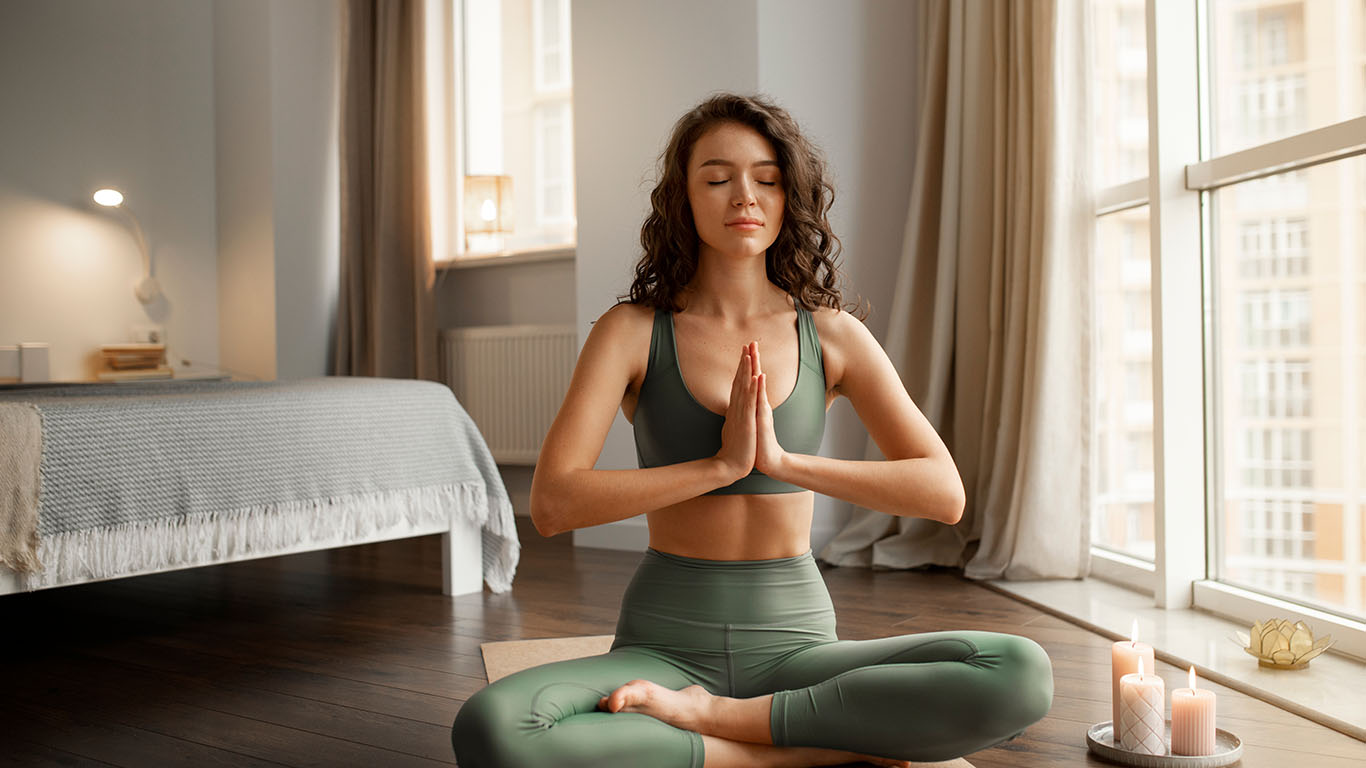
In the modern American landscape, the pace of life often feels like a relentless sprint. Between the constant notifications of digital devices, the pressures of professional performance, and the complexities of personal responsibilities, the human mind is frequently pushed to its limits. This chronic state of distraction and urgency has led to a surge in stress-related conditions and a general sense of mental fatigue. Mindfulness, an ancient practice that has been rigorously validated by contemporary neuroscience, offers a powerful antidote to this chaos. Rather than being a mystical or unreachable state of mind, mindfulness is a practical skill that allows individuals to remain grounded in the present moment, fostering a sense of internal stability regardless of external circumstances.
Understanding the Essence of Mindfulness
At its core, mindfulness is the act of paying attention to the present moment on purpose and without judgment. Most of our mental energy is typically spent ruminating on the past or worrying about the future. This mental time travel is often the source of unnecessary suffering. By training the brain to return to the here and now, we interrupt the cycle of stress and allow the nervous system to regulate itself.
Scientific research into mindfulness has shown that consistent practice can lead to physical changes in the brain. The amygdala, which is responsible for the fight or flight response, tends to become less reactive, while the prefrontal cortex, associated with high-order functions like decision-making and emotional regulation, becomes more active. This biological shift explains why people who practice mindfulness often report feeling calmer, more focused, and better equipped to handle life’s challenges.
Intentional Breathing as an Anchor
One of the most accessible mindfulness techniques is intentional breathing. Since the breath is always with us, it serves as a portable anchor for the mind. When you feel overwhelmed, your breathing typically becomes shallow and rapid. By consciously slowing the breath, you send a signal to the brain that the immediate environment is safe, which in turn lowers the heart rate and blood pressure.
Box Breathing Technique
A highly effective method used by athletes and high-stress professionals alike is box breathing. This technique provides a structured way to reset the nervous system:
-
Inhale: Slowly breathe in through the nose for a count of four, feeling the lungs fill completely.
-
Hold: Retain the breath for a count of four without straining.
-
Exhale: Release the breath slowly through the mouth for a count of four.
-
Hold: Wait for a count of four before taking the next breath.
Repeating this cycle four or five times can significantly reduce immediate feelings of anxiety and restore mental clarity.
The Body Scan for Physical Awareness
Often, we carry stress in our bodies without even realizing it. Muscle tension in the shoulders, a clenched jaw, or a tight chest are all physical manifestations of mental strain. The body scan is a mindfulness practice designed to reconnect the mind with the physical self, identifying and releasing this stored tension.
To perform a body scan, find a quiet place to sit or lie down. Close your eyes and bring your attention to your toes. Notice any sensations there—warmth, cold, tingling, or pressure. Slowly move your awareness upward through your feet, ankles, calves, knees, and thighs. Continue this process through the torso, arms, and neck, all the way to the top of the head. The goal is not to change what you feel, but simply to acknowledge it. Frequently, the act of simply noticing tension allows the muscles to relax naturally.
Integrating Mindfulness into Daily Activities
Mindfulness does not always require sitting in silence for extended periods. In fact, some of the most profound benefits come from integrating awareness into mundane daily tasks. This is often referred to as informal mindfulness.
Mindful Eating
In a culture of fast food and eating on the go, many people consume meals while distracted by screens or work. Mindful eating involves fully engaging the senses during a meal. Notice the colors of the food, the different textures, the aromas, and the complex flavors. By eating slowly and without distraction, you not only improve digestion but also develop a healthier relationship with food and a greater appreciation for the nourishment it provides.
Mindful Walking
A walk to the car or a stroll through a park can become a meditative experience. Instead of checking your phone or lost in thought, focus on the physical sensation of your feet striking the ground. Notice the rhythm of your gait, the feeling of the wind against your skin, and the sounds of the environment. This practice helps to ground you in your physical reality and provides a mental break from the digital world.
Managing Intrusive Thoughts with Cognitive Defusion
A major obstacle to mental wellness is the tendency to believe everything we think. Our minds are constant thought-generators, and many of those thoughts are negative, biased, or untrue. Mindfulness teaches a concept called cognitive defusion, which is the ability to observe a thought without becoming entangled in it.
Instead of saying, I am a failure, a mindful approach would be to say, I am having the thought that I am a failure. This subtle shift in language creates space between the individual and the thought. It allows you to see thoughts as passing clouds in the sky rather than as the sky itself. By observing thoughts non-judgmentally, they lose their power to dictate your emotions and actions.
The Power of Gratitude and Loving-Kindness
Mindfulness also encompasses the intentional cultivation of positive emotional states. Everyday mental wellness is significantly bolstered by focusing on what is going well and developing compassion for oneself and others.
-
Gratitude Journaling: Taking five minutes each day to write down three specific things you are grateful for can rewire the brain to look for positives rather than focusing exclusively on threats or problems.
-
Loving-Kindness Meditation: This involves silently repeating phrases of goodwill toward yourself and others. Phrases such as, May I be happy, May I be healthy, and May I live with ease, can soften the inner critic and reduce feelings of social isolation.
Creating a Sustainable Practice
The key to mindfulness is consistency rather than intensity. It is more beneficial to practice for five minutes every day than for an hour once a week. The brain requires regular repetition to build new neural pathways. To make the practice stick, try to link it to an existing habit, such as practicing deep breathing while the coffee brews or performing a body scan right before falling asleep.
It is also important to approach mindfulness with a sense of curiosity rather than a goal of perfection. Some days the mind will be quiet, and other days it will be incredibly noisy. Both experiences are valuable parts of the practice. The goal is not to empty the mind, but to become a skilled observer of the mind.
Overcoming Common Misconceptions
Many people avoid mindfulness because they believe it requires a specific religious belief or an innate ability to sit perfectly still. In reality, mindfulness is a secular, physiological training tool. It is a form of mental hygiene, much like brushing your teeth is a form of physical hygiene. It is accessible to everyone, regardless of their lifestyle or background. By reclaiming control over our attention, we reclaim control over our mental health.
Frequently Asked Questions
Does mindfulness mean I have to stop having negative thoughts?
No, the goal is not to eliminate negative thoughts, as that is impossible for the human brain. Instead, mindfulness changes your relationship with those thoughts. You learn to acknowledge them as mental events rather than absolute truths, which prevents them from spiraling into prolonged distress.
How long does it take to see the benefits of mindfulness?
While some people feel a sense of immediate relief after a single breathing exercise, the long-term structural changes in the brain typically begin to manifest after about eight weeks of consistent daily practice. Like physical exercise, the benefits accumulate over time.
Can mindfulness help with physical pain management?
Yes, mindfulness is widely used in clinical settings for chronic pain. By focusing on the sensation of pain without the added layers of emotional resistance or fear, many individuals find that the subjective intensity of the pain decreases and their quality of life improves.
Is there a difference between meditation and mindfulness?
The terms are often used interchangeably, but mindfulness is the general quality of awareness, while meditation is the formal practice used to cultivate that awareness. You can be mindful while washing dishes, but you are meditating when you set aside dedicated time to focus on your breath or a specific mantra.
What should I do if I keep getting distracted during my practice?
Distraction is a natural part of the process. Every time you notice your mind has wandered and you gently bring it back to your breath or your body, you are performing the mental equivalent of a bicep curl. The act of returning to the present is where the real growth happens.
Can children and teenagers practice mindfulness effectively?
Absolutely. Many schools in the United States have integrated mindfulness into their curricula to help students manage test anxiety and improve emotional regulation. For younger people, the techniques are often shortened and made more sensory-based to match their developmental stages.
Do I need special equipment or a quiet room to be mindful?
Not at all. While a quiet space is helpful for beginners, the ultimate goal of mindfulness is to be able to access a sense of calm in the middle of a noisy office, a crowded subway, or a stressful meeting. Your breath and your senses are the only tools you truly need.
